
Author: lushkinesiology

  • The Beauty of Being Present: Finding Stillness in a Busy World

    The Beauty of Being Present: Finding Stillness in a Busy World

    In a world that constantly encourages us to do more, perhaps the greatest gift we can give ourselves is permission to simply be.

    When Was the Last Time You Did Absolutely Nothing?

    Not scrolling through your phone. Not planning tomorrow. Not mentally ticking off everything on your to-do list. Just sitting quietly, breathing and allowing yourself to be present. For many of us, stillness can feel unfamiliar. Our minds are constantly moving between what happened yesterday, what needs to happen tomorrow and everything we feel responsible for today. We become so accustomed to being busy that slowing down can almost feel uncomfortable. But what if we didn’t need to fill every moment? What if we allowed ourselves the space to pause? Sometimes, the most meaningful moments happen when we stop doing and start being.

    What Is Mindfulness?

    Mindfulness is the practice of bringing our attention to the present moment with openness, curiosity and without judgement. It’s about becoming aware of what we’re experiencing right now, rather than becoming caught up in thoughts about the past or worries about the future. Mindfulness doesn’t mean having an empty mind.

    It doesn’t mean ignoring difficult emotions or pretending everything is perfect. Instead, it encourages us to notice our thoughts, feelings and physical sensations without immediately reacting to them. Perhaps you notice tension in your shoulders. A feeling of restlessness. A thought that keeps returning. Or simply the warmth of sunlight against your skin. Mindfulness invites us to observe these experiences with kindness rather than criticism. Awareness creates an opportunity to respond rather than react.

    The Difference Between Mindfulness and Meditation

    Although mindfulness and meditation are closely connected, they’re not quite the same. Mindfulness can be practised throughout everyday life. You might practise mindfulness while walking along the beach, preparing a meal, enjoying a cup of tea or listening to the sounds of nature. It’s about being fully engaged in the moment.

    Meditation is usually a more intentional practice where we set aside time to focus our attention. This might involve observing our breathing, listening to a guided meditation, repeating an affirmation or simply sitting quietly. Both practices can encourage relaxation, awareness and a greater connection with ourselves.

    And the beautiful thing? You don’t need any special equipment or experience to begin.

    Why Is Stillness So Important?

    Our lives are filled with stimulation. Notifications, conversations, responsibilities, expectations and an endless stream of information all compete for our attention. Over time, we may begin to feel mentally exhausted, emotionally overwhelmed or disconnected from our own needs. Research suggests that regular mindfulness and meditation practices can help some people manage stress, improve emotional regulation and support psychological wellbeing. Stillness offers us an opportunity to step away from constant stimulation and reconnect with the present. It doesn’t mean our challenges disappear. But it may help us approach them with greater awareness and perspective. Sometimes, a few quiet moments can make a meaningful difference to how we experience the rest of our day.

    The Mind, Body & Energy Connection

    Our thoughts, emotions and physical experiences are closely interconnected. When we’re feeling stressed or overwhelmed, we might notice shallow breathing, muscle tension, restlessness or difficulty concentrating. Mindfulness encourages us to become more aware of these sensations without immediately judging or trying to change them. Within holistic and energy-healing traditions, meditation is also used as a personal practice for exploring grounding, inner awareness and energetic harmony.

    At LUSH Kinesiology, I take a holistic approach to wellbeing, incorporating gentle muscle monitoring, reflective discussion and energy-balancing techniques.

    These practices offer opportunities to explore personal experiences, emotional patterns and intentions for growth. While energetic concepts are spiritual frameworks rather than medically established processes, they can hold personal meaning for those who connect with them.

    The Metaphysical Perspective: Finding Your Inner Stillness

    From a metaphysical perspective, stillness can symbolise a return to our inner centre. A place beyond external expectations, constant mental activity and the distractions of everyday life. Within some spiritual traditions, meditation is associated with connecting to intuition, higher awareness and the wisdom of the inner self. Imagine your mind as the ocean. Some days, the water is calm and peaceful. Other days, waves rise and fall, stirred by changing conditions. Our thoughts and emotions can feel much the same. But just as the ocean has depths beneath its moving surface, we can explore moments of quiet awareness even when life feels unsettled. You don’t need to stop the waves to find moments of calm. Sometimes, you simply need to remember that you are more than the thoughts passing through your mind.

    Five Simple Ways to Bring Mindfulness Into Your Day

    1. Begin Your Morning with Intention

    Before reaching for your phone or beginning your daily routine, take a moment to pause. Notice your breathing and consider how you’d like to feel throughout the day. Perhaps your intention is calm, clarity, patience or simply being present.

    2. Practise Mindful Breathing

    Find a comfortable position and gently bring your attention to your breath. Notice the natural rhythm of each inhale and exhale. When your mind wanders, gently return your attention to your breathing. There’s no need to force or control anything.

    3. Connect with Nature

    Take a walk outdoors without rushing. Notice the sounds of birds, the movement of leaves, the feeling of the breeze or the rhythm of ocean waves. Allow your senses to bring you back to the present moment.

    4. Create a Daily Moment of Stillness

    Set aside five minutes each day to sit quietly. You might light a candle, listen to gentle music or simply enjoy the silence. There is no right or wrong way to create a peaceful moment.

    5. Practise Mindful Awareness

    Throughout your day, gently ask yourself:

    “What am I feeling right now?”

    “What does my body need?”

    “Am I responding from a place of calm or reacting from stress?”

    These simple questions can encourage greater self-awareness.

    A Gentle Five-Minute Meditation

    Find a quiet space where you feel comfortable. Sit or lie down, allowing your body to settle. If it feels comfortable, gently close your eyes. Take a slow, natural breath. Notice the sensation of the air entering and leaving your body. Allow your shoulders to soften. Relax your jaw. Notice the support beneath you. Imagine yourself sitting beside a peaceful ocean. The waves move gently towards the shore before returning to the sea. With each breath, imagine creating a little more space within yourself.

    You don’t need to solve anything. You don’t need to change anything. For these few moments, simply allow yourself to be. If thoughts arise, acknowledge them gently and return your attention to your breathing. When you’re ready, slowly bring your awareness back to your surroundings. Notice how you feel. Carry that sense of presence with you into the rest of your day.

    A Moment for Reflection

    Consider asking yourself:

    • Am I allowing myself enough time to rest?
    • What thoughts tend to occupy my mind?
    • When do I feel most peaceful and connected?
    • What helps me return to the present moment?
    • How might my life feel if I created more space for stillness?

    Remember, mindfulness isn’t about perfection. It’s about awareness, curiosity and compassion.

    A Gentle Reminder

    “I am calm, centred and present, allowing myself the freedom to simply be.” You don’t need to have everything figured out. You don’t need to be productive every moment. And you don’t need to earn the right to rest. Sometimes, the most nurturing thing you can do is pause, breathe and reconnect with yourself. Because peace isn’t always found in changing what’s happening around us. Sometimes, it begins with how we meet the moment we’re in.

    Create Space for Yourself at LUSH Kinesiology

    At LUSH Kinesiology, I believe that wellbeing begins with awareness, connection and creating space to honour ourselves. Through a gentle, holistic approach, kinesiology offers an opportunity to explore emotional patterns, personal growth and your unique wellbeing journey. Whether you’re feeling overwhelmed, seeking greater emotional awareness or simply wanting time to reconnect with yourself, you’re welcome to explore what kinesiology may offer.

    Love • Unity • Spirit • Harmony

    Pause. Breathe. Reconnect. Simply be.

    Book a Kinesiology Session
    www.lushkinesiology.com.au

  • The Seven Chakras: Understanding Your Energy Centres and Inner Balance

    The Seven Chakras: Understanding Your Energy Centres and Inner Balance

    Discover the beautiful connection between your energy, emotions and personal wellbeing.

    Have You Ever Felt Out of Balance?

    Some days, everything seems to flow effortlessly. You feel grounded, confident, connected and comfortable within yourself. Other days, you might feel overwhelmed, emotionally unsettled, disconnected or unsure of your direction. Life is constantly changing, and so are our thoughts, emotions and experiences. Within many ancient spiritual traditions, the concept of chakras offers a fascinating way to explore these different aspects of ourselves. But what exactly are chakras, and how might understanding them support greater self-awareness?

    What Are Chakras?

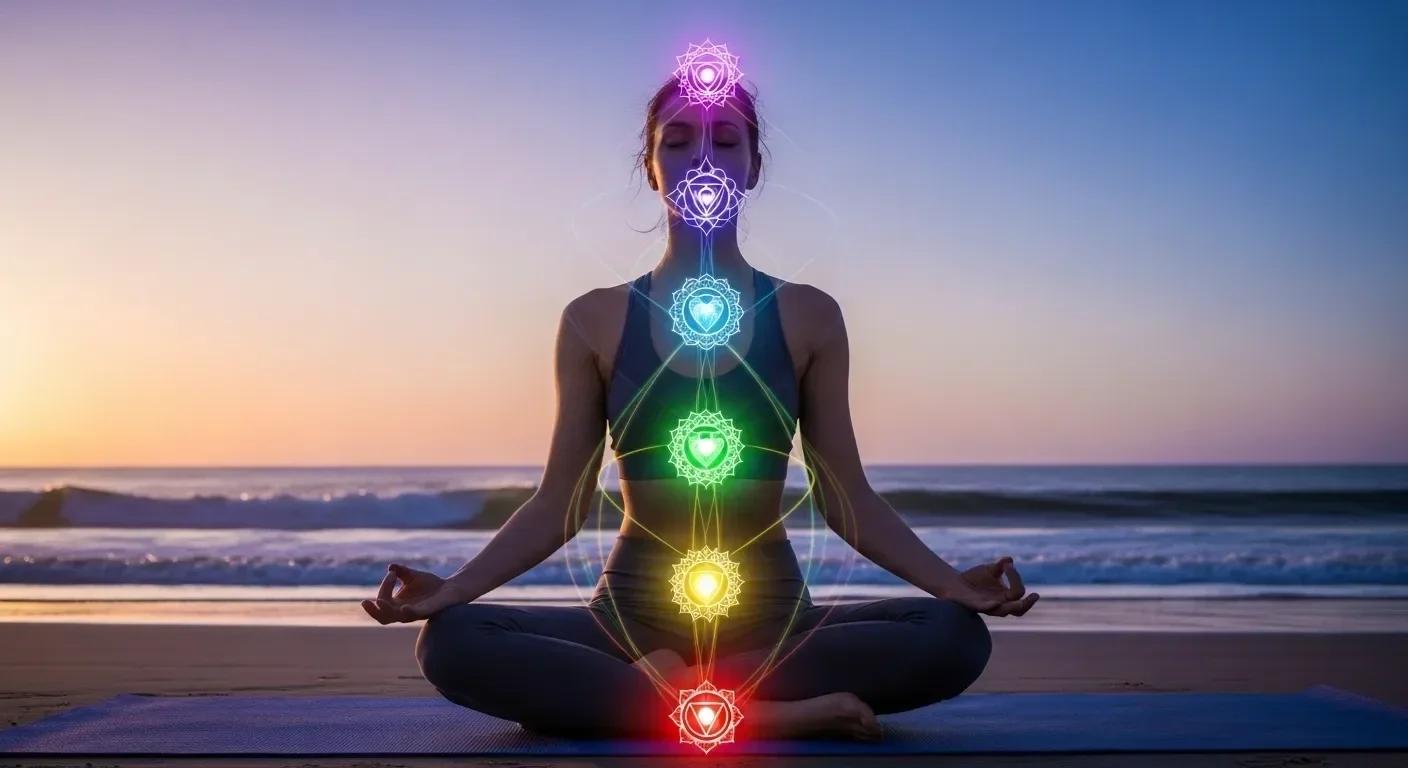
    The word chakra comes from Sanskrit and translates to “wheel” or “circle”. Originating in Indian spiritual traditions, chakras are described as subtle energy centres within the body. In the commonly used seven-chakra system, each centre is associated with particular qualities, emotions, colours and aspects of personal development. Chakras are understood within spiritual and energetic frameworks rather than as physical anatomical structures recognised by modern medicine. Exploring their symbolism can provide a meaningful opportunity for reflection, mindfulness and personal growth.

    Exploring the Seven Main Chakras

    1. Root Chakra – Muladhara

    Grounding • Safety • Stability

    Located symbolically at the base of the spine, the Root Chakra is associated with our sense of security, belonging and connection to the physical world. It invites us to reflect on whether we feel safe, supported and grounded in our everyday lives.

    Reflection: Do I feel secure and supported within myself?

    Affirmation: “I am safe, grounded and supported as I move through life.”

    2. Sacral Chakra – Svadhisthana

    Creativity • Emotions • Flow

    Associated with the lower abdomen, the Sacral Chakra represents creativity, emotional expression, pleasure and our ability to embrace change. It encourages us to honour our feelings and reconnect with what brings us joy.

    Reflection: Am I allowing myself to experience joy and express my emotions?

    Affirmation: “I embrace my emotions, creativity and the natural flow of life.”

    3. Solar Plexus Chakra – Manipura

    Confidence • Personal Power • Self-Worth

    Symbolically located around the upper abdomen, the Solar Plexus Chakra is associated with confidence, individuality and personal choice. It encourages us to explore our boundaries, self-belief and ability to make decisions that honour our needs.

    Reflection: Am I confidently making choices that reflect who I truly am?

    Affirmation: “I honour my individuality and confidently embrace my personal power.”

    4. Heart Chakra – Anahata

    Love • Compassion • Connection

    Associated with the centre of the chest, the Heart Chakra symbolises love, compassion, acceptance and connection. It reminds us that caring for ourselves is just as meaningful as caring for others.

    Reflection: Am I offering myself the same kindness and compassion I give to others?

    Affirmation: “I am open to giving and receiving love with compassion and ease.”

    5. Throat Chakra – Vishuddha

    Communication • Truth • Expression

    The Throat Chakra is symbolically associated with communication, authenticity and expressing our truth. It encourages us to speak honestly, listen with compassion and feel comfortable sharing our thoughts and feelings. Reflection: Am I expressing my needs and feelings openly and respectfully?

    Affirmation: “I express myself clearly, confidently and authentically.”

    6. Third Eye Chakra – Ajna

    Intuition • Awareness • Inner Wisdom

    Associated with the space between the eyebrows, the Third Eye Chakra represents intuition, insight and personal awareness. It invites us to look beyond everyday distractions and become curious about our inner experiences. Reflection: Am I allowing myself time to listen to my intuition?

    Affirmation: “I trust my inner wisdom and welcome clarity into my life.”

    7. Crown Chakra – Sahasrara

    Connection • Consciousness • Spiritual Awareness

    Symbolically located at the top of the head, the Crown Chakra is associated with spiritual connection, higher awareness and our sense of purpose. It invites us to reflect on our connection to something greater than ourselves, however we personally understand that connection.

    Reflection: What helps me feel connected to my purpose and the world around me?

    Affirmation: “I am open to wisdom, inspiration and a deeper connection with life.”

    The Connection Between Chakras and Emotional Wellbeing

    Within energy-healing traditions, chakras are often described as being balanced, underactive or overactive. These descriptions are spiritual interpretations rather than medically measurable conditions. For example, someone exploring themes of confidence and self-worth might reflect on the Solar Plexus Chakra. Someone navigating communication difficulties might explore the symbolism of the Throat Chakra. And someone seeking greater emotional connection might find meaning in reflecting on the Heart Chakra. Rather than viewing these centres as something that must be fixed, we can approach them as invitations to explore different aspects of ourselves. Sometimes, awareness is the beginning of meaningful personal change.

    Chakras and Kinesiology

    At LUSH Kinesiology, I take a holistic approach to wellbeing, exploring the relationship between emotional experiences, personal awareness and energetic traditions. Within certain kinesiology approaches, chakra concepts may be incorporated alongside gentle muscle monitoring, reflective discussion and energy-balancing techniques. These practices can offer a space to explore personal beliefs, emotional patterns and intentions for growth. While chakra balancing and muscle monitoring are not scientifically established methods for diagnosing or treating medical conditions, some people find these approaches meaningful as complementary wellbeing practices.

    Five Gentle Ways to Connect with Your Chakras

    1. Practise Grounding

    Spend time outdoors, notice your surroundings and bring your attention to the present moment. Reflect on the qualities associated with your Root Chakra.

    2. Explore Creative Expression

    Enjoy painting, dancing, journalling or another activity that encourages creativity and emotional expression. Connect with the symbolism of your Sacral Chakra.

    3. Strengthen Your Personal Boundaries

    Practise making choices that honour your needs and individuality. Reflect on the confidence and self-worth associated with your Solar Plexus Chakra.

    4. Cultivate Self-Compassion

    Offer yourself kindness, patience and understanding. Explore the loving qualities represented by your Heart Chakra.

    5. Create Moments of Stillness

    Take time for meditation, quiet reflection or mindful breathing. Allow yourself space to explore the awareness and spiritual connection associated with the Third Eye and Crown Chakras.

    A Moment for Reflection

    Take a moment to ask yourself:

    • Where in my life am I seeking greater balance?
    • Am I honouring my emotional needs?
    • Do I feel confident expressing my authentic self?
    • What helps me feel grounded and connected?
    • Which chakra’s symbolic qualities resonate with me today?

    There are no right or wrong answers. Simply allow yourself to become curious.

    A Gentle Reminder

    “I am grounded, balanced and connected to my inner wisdom, embracing harmony within my mind, body and spirit.” You don’t need to have everything figured out. You don’t need to feel balanced every moment of every day. And you don’t need to become someone different to experience personal growth. Sometimes, the journey towards harmony begins with a simple moment of awareness.

    Explore Chakras & Energy at LUSH Kinesiology

    At LUSH Kinesiology, I offer a welcoming and supportive space to explore emotional wellbeing, energetic traditions and personal growth.

    Whether you’re curious about chakras, seeking greater self-awareness or simply wanting to reconnect with yourself, kinesiology may offer a meaningful addition to your wellbeing journey.

    Love • Unity • Spirit • Harmony

    Explore your energy. Embrace your individuality. Reconnect with yourself.

    Book a Kinesiology Session

    www.lushkinesiology.com.au

  • The Healing Power of Nature: Finding Your Way Back to Balance

    The Healing Power of Nature: Finding Your Way Back to Balance

    Sometimes, the greatest connection we can make is simply returning to nature.

    When Did You Last Truly Connect with Nature?

    Have you ever stood beside the ocean, feeling the breeze against your skin, listening to the rhythmic movement of the waves, and suddenly noticed yourself beginning to relax? Or walked barefoot across soft grass, wandered beneath towering trees or sat quietly watching the sunlight dance across the water? There’s something beautifully grounding about these moments. Nature doesn’t ask us to be productive. It doesn’t expect us to have everything figured out. It simply invites us to be present. In a world filled with responsibilities, technology, expectations and constant stimulation, spending time outdoors can offer a welcome opportunity to slow down. Sometimes, reconnecting with nature is also a way of reconnecting with ourselves.

    The Beautiful Connection Between Nature and Wellbeing

    Our relationship with the natural world is more significant than we sometimes realise. Research suggests that spending time in natural environments can support psychological wellbeing, encourage relaxation and help reduce feelings of stress. Whether it’s walking through a forest, sitting beside the ocean or simply enjoying the warmth of the morning sun, these experiences can provide moments of calm and restoration. And the beauty is that connecting with nature doesn’t need to be complicated. You don’t need to travel somewhere extraordinary. Sometimes, it’s as simple as stepping outside, taking a breath and noticing the world around you.

    The Metaphysical Meaning of Nature’s Elements

    Within many spiritual and metaphysical traditions, the natural elements carry symbolic meanings that invite us to reflect on our own emotional and energetic wellbeing.

    Water – Flow, Emotions & Renewal

    Water is often associated with emotions, intuition, cleansing and transformation. Just as the ocean moves through cycles of calm and turbulence, our emotional experiences are constantly changing. Water reminds us that we don’t need to resist every change. Sometimes, we can simply allow ourselves to flow.

    Earth – Grounding, Stability & Security

    The earth symbolises our foundations, stability and connection to the present moment. Walking barefoot on the sand or grass can become a mindful ritual, inviting us to slow down and notice the sensations beneath our feet. Earth reminds us that we can feel supported while continuing to grow.

    Air – Freedom, Clarity & New Perspectives

    Air represents movement, breath, communication and freedom. A gentle breeze can symbolise the release of old thoughts and the arrival of fresh perspectives. It reminds us that sometimes all we need is a little space to breathe.

    Fire – Transformation, Energy & Personal Power

    Fire symbolises passion, courage, creativity and transformation. The warmth of the sun can remind us of our own inner strength and capacity for change. Just as sunlight supports life in the natural world, we can nurture the qualities that help us flourish.

    Nature as a Mirror of Our Inner World

    Have you ever noticed how nature reflects so many aspects of our own lives? The ocean experiences calm waters and powerful storms. Trees lose their leaves before new growth emerges. Flowers bloom when the conditions are right. The tides move in and out without resistance. And the seasons remind us that change is a natural part of life. Perhaps we can learn something from these rhythms. We don’t need to be constantly growing, achieving or moving forward. There are times for action. Times for rest. Times for releasing. And times for beginning again. Just like nature, we are allowed to move through different seasons of life.

    The Mind, Body & Energy Connection

    In kinesiology, we take a holistic approach to exploring wellbeing, recognising that our thoughts, emotions and physical experiences are interconnected. Nature can provide a beautiful setting for mindfulness, reflection and reconnecting with our senses. Within energy-healing traditions, connecting with the natural world is also symbolically associated with grounding and energetic balance.

    At LUSH Kinesiology, I explore these themes through gentle muscle monitoring, reflection and energy-balancing techniques, supporting personal awareness and emotional wellbeing.

    While energy-balancing concepts are not established medical treatments, they can form part of a meaningful personal or spiritual wellbeing practice.

    Five Simple Ways to Reconnect with Nature

    1. Feel the Earth Beneath Your Feet

    Take a few moments to walk barefoot on a safe stretch of grass or sand. Notice the temperature, texture and sensation beneath your feet. Allow your attention to settle into the present moment.

    2. Listen to the Ocean

    Sit beside the water and observe the natural rhythm of the waves. Imagine your thoughts gently moving with the tide. You don’t need to change anything. Simply observe.

    3. Spend Time Among Trees

    Take a peaceful walk through a park, garden or forest. Notice the colours, shapes and sounds around you. Allow yourself to experience the stillness without rushing.

    4. Connect with the Morning Light

    Step outside and enjoy the natural light of a new day. Take a few slow breaths and consider what you’d like to welcome into your day.

    5. Create a Nature-Inspired Ritual

    Collect a fallen leaf, photograph a beautiful flower, hold a favourite crystal or spend a few minutes journalling outdoors. Choose something that feels meaningful to you.

    A Moment for Reflection

    The next time you’re outdoors, pause and ask yourself:

    • What am I noticing in this moment?
    • How does my body feel when I slow down?
    • What can nature teach me about change?
    • Where in my life could I allow more flow?
    • What would help me feel more grounded and connected?

    You may be surprised by what emerges when you give yourself permission to simply be.

    A Gentle Reminder

    “I am grounded in the present, connected to the earth and free to flow with the natural rhythms of life.”

    You are part of nature, not separate from it.

    You are allowed to rest.

    You are allowed to change.

    You are allowed to grow at your own pace.

    And sometimes, the most beautiful way to reconnect with yourself is to step outside and remember the simplicity of being present.

    Reconnect with Yourself at LUSH Kinesiology

    At LUSH Kinesiology, I believe that wellbeing begins with awareness, connection and creating space to honour ourselves.

    Through a gentle, holistic approach, kinesiology offers an opportunity to explore emotional patterns, personal growth and your unique wellbeing journey.

    Love • Unity • Spirit • Harmony

    Reconnect with nature. Reconnect with your energy. Reconnect with yourself.

    Book a Kinesiology Session

    www.lushkinesiology.com.au

  • Your Energy, Your Boundaries: Learning to Say No Without Guilt

    Your Energy, Your Boundaries: Learning to Say No Without Guilt

    Protecting your peace isn’t selfish. It’s an act of self-respect.

    When Saying Yes Means Saying No to Yourself

    Have you ever agreed to something when every part of you wanted to say no? Perhaps you didn’t want to disappoint someone. Maybe you wanted to avoid conflict, keep the peace or simply make life easier for everyone else. So you said yes. But afterwards, you felt frustrated, resentful or emotionally drained. Sound familiar? Many of us have spent years learning to accommodate others, often without realising the impact it can have on our own wellbeing. We become so accustomed to being available, helpful and understanding that we forget to ask ourselves one simple question:

    “But what do I actually need?”

    Understanding Personal Boundaries

    Boundaries aren’t about shutting people out. They’re about understanding where your responsibilities end and another person’s begin. Healthy boundaries allow us to maintain meaningful relationships while respecting our own emotional, physical and personal needs.

    They might involve:

    • Saying no when something doesn’t feel right.
    • Allowing yourself time and space without explanation.
    • Recognising that someone else’s disappointment isn’t automatically your responsibility.
    • Communicating your needs clearly and respectfully.
    • Choosing how you spend your time and energy.

    Boundaries aren’t walls. They’re an expression of how you value yourself.

    Why Does Setting Boundaries Feel So Difficult?

    For some people, saying no can bring up feelings of guilt, fear or discomfort. We may have grown up believing that being kind means always being accommodating. Perhaps we learned that keeping others happy was more important than expressing our own needs. Or maybe we simply became accustomed to being the person everyone relies upon. Over time, these patterns can become automatic. We say yes before considering whether we genuinely want to. We apologise for needing space.

    We explain and justify decisions that don’t necessarily require an explanation. And sometimes, we confuse another person’s disappointment with having done something wrong. But here’s something worth remembering: Someone can be disappointed with your decision without your decision being wrong.

    The Mind, Body & Energy Connection

    Our emotional experiences and stress responses can influence how we feel physically. When we’re constantly navigating expectations or struggling to express our needs, we may experience tension, restlessness, fatigue or difficulty relaxing. These experiences can have many contributing factors, but they can also encourage us to reflect on our emotional wellbeing.

    At LUSH Kinesiology, I explore the connection between emotions, personal awareness and the body through a holistic approach.

    Using gentle muscle monitoring and energy-balancing techniques, kinesiology provides an opportunity to reflect on emotional patterns, personal beliefs and the ways we respond to life’s challenges. It’s a space to become curious about yourself, without judgement or expectation.

    The Metaphysical Perspective: Honouring Your Personal Energy

    From a metaphysical perspective, boundaries can be viewed as a way of honouring our personal energy and individuality. Within energy-healing traditions, the solar plexus chakra is symbolically associated with personal power, confidence, self-worth and choice. When we explore themes relating to this energy centre, we might reflect on our ability to make decisions, express our needs and feel comfortable being ourselves.

    Consider asking:

    • Where am I giving away my personal power?
    • Do I feel responsible for keeping everyone happy?
    • Am I comfortable expressing my own needs?
    • What am I afraid might happen if I say no?
    • How would my life feel if i trusted my choices

    These reflections can offer opportunities for greater self-awareness. You are allowed to have your own needs, preferences and priorities. They don’t have to match anyone else’s.

    Five Gentle Ways to Strengthen Your Boundaries


    1. Pause before saying yes

    Give yourself time to consider whether something genuinely feels right for you.

    A simple “Let me think about that” can create valuable breathing space.

    2. Practise saying no with kindness

    You don’t need a lengthy explanation.

    “Thank you for thinking of me, but I won’t be able to” is a perfectly respectful response.

    3. Notice feelings of resentment

    Resentment can sometimes be a signal that our needs or limits deserve attention.

    Rather than judging the feeling, become curious about what it may be highlighting.

    4. Allow others to have their feelings

    You can communicate respectfully while recognising that you cannot control how another person responds.

    5. Honour your individuality

    Your needs, choices and preferences are uniquely yours.

    You don’t need everyone to agree with them for them to matter.

    A Gentle Reminder

    “I honour my needs, respect my boundaries and feel free to make choices that support my wellbeing.”

    You can be kind and still say no.

    You can be loving and still need space.

    You can care deeply about others without putting yourself last.

    And you can choose what feels right for you without needing to justify every decision.

    Sometimes the greatest act of self-respect is simply allowing yourself to be who you are.

    Reconnect with Your Personal Power at LUSH Kinesiology

    At LUSH Kinesiology, I offer a welcoming, supportive environment where you can explore emotional patterns, reconnect with your individuality and create space for greater personal awareness.

    Whether you’re navigating relationship dynamics, exploring personal boundaries or simply wanting to feel more connected with yourself, kinesiology may complement your wellbeing journey.

    Love • Unity • Spirit • Harmony

    Honour your energy. Respect your boundaries. Embrace your individuality.

    Book a Kinesiology Session

    www.lushkinesiology.com.au

  • The Emotional Weight We Carry

    The Emotional Weight We Carry

    Sometimes the heaviest things we carry are the things nobody else can see.

    What Are You Holding Onto?

    Have you ever felt emotionally exhausted, even when you haven’t done anything particularly physical? Perhaps you’ve been supporting everyone around you, managing responsibilities, navigating relationships or simply trying to keep everything together. From the outside, everything might appear perfectly fine. But on the inside, you feel heavy. We often carry more than we realise.

    Unspoken feelings. Unresolved experiences. Expectations. Worries. Disappointments. And sometimes, emotions we’ve pushed aside because life simply hasn’t given us the space to acknowledge them.

    But what happens when we keep carrying things that no longer belong to us?

    The Invisible Emotional Backpack

    Imagine carrying a backpack everywhere you go. Each time you experience disappointment, frustration, sadness or worry, another small stone is placed inside. Some stones are tiny. Others are considerably heavier. Over time, the backpack becomes increasingly difficult to carry. Yet because we’ve grown accustomed to its weight, we may not even notice how much we’re holding. Our emotional experiences can feel much the same. We adapt. We cope. We keep going. Until one day, we recognise just how tired we are and perhaps the question isn’t how much more we can carry. Perhaps it’s what we’re finally ready to put down.

    The Mind, Body & Emotional Connection

    Our emotions and physical wellbeing are closely connected. When we’re experiencing prolonged stress, we might notice changes in our sleep, muscle tension, energy levels, concentration or general sense of wellbeing. Our nervous system responds to perceived challenges, and ongoing stress can influence how we feel physically and emotionally. Sometimes we become so focused on managing life’s demands that we overlook our own needs.

    At LUSH Kinesiology, we explore the mind-body connection through a holistic approach to wellbeing. Using gentle muscle monitoring and energy-balancing techniques, kinesiology provides a space for reflection, emotional awareness and personal growth. While kinesiology isn’t a substitute for medical or psychological care, it may complement other wellbeing practices by encouraging greater self-awareness.

    The Metaphysical Perspective: What Are You Ready to Release?

    From a metaphysical perspective, emotional heaviness can symbolise experiences, beliefs or expectations that we continue to hold onto. Perhaps it’s an old disappointment. A relationship that has changed. A belief that you must always be strong. Or the feeling that everyone else’s happiness is somehow your responsibility.

    Sometimes we carry emotions because they have become familiar, even when they no longer serve us.

    Consider asking yourself:

    • Am I carrying responsibilities that aren’t mine?
    • What emotions have I been avoiding or suppressing?
    • Where am I placing unrealistic expectations on myself?
    • Am I holding onto guilt, resentment or disappointment?
    • What might become possible if I allowed myself to let go?

    There is no right or wrong answer.

    Simply becoming aware of what we’re carrying can be a meaningful beginning.

    Letting Go Doesn’t Mean Giving Up

    One of the greatest misconceptions about letting go is that it means we no longer care.

    But letting go doesn’t necessarily mean forgetting, forgiving before we’re ready or walking away.

    Sometimes it simply means choosing not to let a particular experience define our present.

    It might mean accepting what we cannot change.

    Releasing the need to control every outcome.

    Or recognising that we can care deeply about someone without carrying responsibility for their every emotion or decision.

    You can be compassionate without carrying everything.

    You can love someone and still have boundaries.

    You can acknowledge your past without allowing it to determine your future.

    And you can choose peace without needing everyone else to understand your choices.

    Five Gentle Ways to Lighten Your Emotional Load

    1. Acknowledge what you’re feeling

    Give yourself permission to recognise your emotions without judging them. You don’t always need to fix what you’re feeling.

    2. Notice what belongs to you

    Ask yourself whether the responsibility or expectation you’re carrying is genuinely yours.

    3. Create space for yourself

    Spend time doing something that allows you to reconnect with your own needs, whether that’s walking in nature, journalling, meditation or enjoying a quiet moment.

    4. Practise healthy boundaries

    Remember that your time, energy and emotional wellbeing deserve consideration too.

    5. Release at your own pace

    Emotional growth isn’t a race. Some experiences take time, patience and support to process.

    Small steps are still meaningful steps.

    A Gentle Reminder

    “I lovingly release what no longer serves me, feeling lighter, calmer and free to move forward.”

    You don’t have to carry everything.

    You don’t have to be strong every moment of every day.

    And you don’t have to hold onto something simply because you’ve carried it for a long time.

    Perhaps today is an opportunity to gently put something down.

    To create a little more space.

    To breathe a little more freely.

    And to remember that your wellbeing matters too.

    Explore Emotional Wellbeing at LUSH Kinesiology

    At LUSH Kinesiology, I offer a welcoming and supportive environment where you can take time for yourself, explore emotional patterns and reconnect with your sense of balance.

    Whether you’re navigating life’s challenges, feeling emotionally overwhelmed or simply seeking greater self-awareness, kinesiology may be a valuable addition to your personal wellbeing practices.

    Love • Unity • Spirit • Harmony

    Release the weight. Reconnect with yourself. Make space for harmony.

    Book a Kinesiology Session

    www.lushkinesiology.com.au

  • Coming Home to Yourself

    Coming Home to Yourself

    Rediscovering who you are beneath life’s responsibilities, expectations and the many roles you play.

    When Did You Last Feel Like You?

    Life has a way of keeping us busy. We become partners, parents, carers, professionals, friends and everything in between. We give our time, energy and attention to the people and responsibilities around us. And somewhere along the way, we can quietly lose touch with ourselves. Not necessarily in a dramatic way. Sometimes it’s subtle.

    We stop asking ourselves what we need. We put our own desires aside. We say yes when we’d rather say no. We become so accustomed to meeting everyone else’s expectations that we forget to listen to our own inner voice.

    But who are you when you put all those roles aside?

    Reconnecting with Your Authentic Self

    Coming home to yourself isn’t about becoming someone new. It’s about remembering who you are. It’s about recognising your own needs, honouring your individuality and giving yourself permission to make choices that feel right for you. Sometimes this means creating boundaries. Sometimes it means slowing down, changing direction or simply allowing yourself to rest without feeling guilty. And sometimes, it means acknowledging that the person you’ve become may no longer reflect the person you truly want to be. There is something incredibly freeing about giving yourself permission to be yourself.

    The Mind, Body & Energy Connection

    Our thoughts, emotions and physical experiences are interconnected. When life becomes overwhelming, we may notice tension, fatigue, restlessness or difficulty relaxing. These sensations can have many causes, but they can also invite us to reflect on how we’re feeling and what we might need.

    At LUSH Kinesiology, I take a holistic approach to wellbeing, creating space to explore emotional patterns, personal awareness and the relationship between mind and body. Using gentle muscle monitoring and energy-balancing techniques, kinesiology offers an opportunity to pause, reflect and reconnect with yourself.

    It’s not about someone else telling you who you should be. It’s about creating space to explore what feels authentic and meaningful to you.

    The Metaphysical Perspective: Returning to Your Centre

    From a metaphysical perspective, coming home to yourself can symbolise returning to your own energy, identity and inner wisdom. We may spend years absorbing the expectations, opinions and beliefs of others. Over time, it can become difficult to distinguish between what we genuinely want and what we’ve learned to believe we should want.

    Reconnecting with yourself invites you to explore:

    • Where am I giving away my personal power?
    • Am I making choices from love or obligation?
    • What parts of myself have I been neglecting?
    • What would change if I trusted myself more?
    • What does freedom mean to me?

    These questions aren’t about finding immediate answers.

    They’re about becoming curious, compassionate and aware.

    Five Gentle Ways to Come Home to Yourself

    1. Create moments of stillness

    Allow yourself time without distractions, expectations or responsibilities. Even five minutes of quiet reflection can provide an opportunity to reconnect.

    2. Honour your boundaries

    Recognise that saying no to something doesn’t mean you’re letting someone down. Sometimes it’s simply saying yes to yourself.

    3. Listen to your inner voice

    Notice the difference between what you feel you should do and what genuinely feels right for you.

    4. Reconnect with what brings you joy

    Whether it’s walking beside the ocean, spending time in nature, creating something beautiful or simply enjoying your own company, make space for the things that nourish you.

    5. Give yourself permission to evolve

    You are allowed to change your mind, redefine your priorities and choose a different path.

    Growth doesn’t always mean doing more.

    Sometimes it means letting go.

    A Gentle Reminder

    “I am free to be myself, honouring my needs, choices and individuality.”

    You don’t need permission to be who you are.

    You don’t need to justify every choice, meet every expectation or carry every responsibility.

    Your needs matter. Your voice matters. Your happiness matters.

    And perhaps the most beautiful journey you’ll ever take is the journey back to yourself.

    Reconnect with Yourself at LUSH Kinesiology

    At LUSH Kinesiology, I offer a welcoming, supportive space where you can pause, reflect and explore your emotional and energetic wellbeing.

    Whether you’re navigating change, feeling overwhelmed or simply wanting to reconnect with yourself, kinesiology may be a meaningful addition to your personal wellbeing journey.

    Love • Unity • Spirit • Harmony

    Come as you are. Reconnect with who you are.

    Book a Kinesiology Session

    www.lushkinesiology.com.au